A fuller description of the Indian American community is needed, one that speaks not just to achievement but to character
Indian Americans are usually portrayed through the language of success: spelling-bee victories, elite degrees, high incomes, corporate leadership. These familiar markers overlook a deeper, more enduring trait: a commitment to service rooted in the Hindu principle of Universal Oneness.
In the 1980s Bollywood film Albert Pinto Ko Gussa Kyoon Aata Hai?, Albert complains that Hindi cinema cannot imagine a Goan or a Christian doing much beyond singing, feasting, and drinking. American popular culture shows a similar failure of imagination, whether in Raj Koothrappali of The Big Bang Theory, Baljeet Tjinder of Phineas and Ferb, or Dr. Lawrence Kutner of House.
Indian characters are cast again and again as the brilliant scientist, the gifted physician, or the anxious overachiever, feeding a public image of the Indian American as perpetual coder, doctor, immensely rich technocrat, or a groom arriving on an elephant. Even Alex Parrish in Quantico, played by Priyanka Chopra, had to become half-white to be an action hero.
Indian festivals receive the same selective treatment. The camera delights in color, food, and spectacle, then loses interest just as the philosophy begins. Diwali becomes simply the “festival of lights,” detached from its deeper teachings about truth, duty, discipline, and the triumph of wisdom over ignorance. The lamps are highlighted; what they are meant to illuminate is not.
A fuller description of the Indian American community is needed, one that speaks not just to achievement but to character. This large, internally diverse community, spanning regional, linguistic, generational, and denominational differences, is best captured not by a résumé or a net worth, but by its manifestation of the ideal of Universal Oneness.
The Hindu ideal of Vasudhaiva Kutumbakam, “the world is one family,” teaches that the world is one family, that service is a duty, and that success finds its highest meaning when it benefits others. One’s responsibility does not end at the boundaries of family, ethnicity, religion, or nationality. Its practical expression is sewa: selfless service performed without expectation of recognition.
Across the United States, Hindu individuals, temples, and organizations stock food pantries, prepare meals, respond to disasters, organize blood drives and health fairs, tutor children, assist refugees, support seniors, and volunteer at shelters. Hindu chaplains comfort patients, military personnel, prisoners, students, and grieving families of all faiths or none.
A physician running a free screening, a student packing backpacks, a family serving meals after a hurricane; these moments occasionally earn a one-cycle evening news segment, but never the feature story. No Hollywood film or TV show has ever alluded to this kind of pan-humanistic quality in its Indian-American characters. This attribute clearly reveals something wealth and test scores cannot: a culture of responsibility.
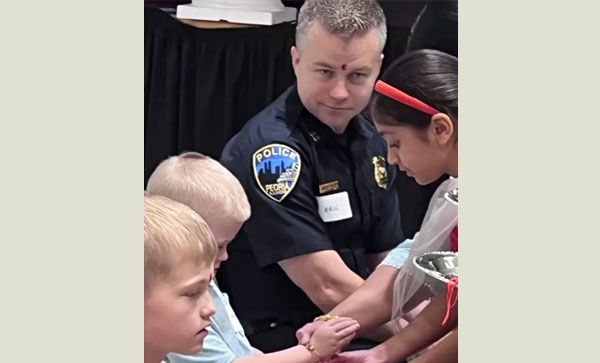
One public expression of this ethic is Universal Oneness Day, observed by Hindu Swayamsevak Sangh USA and other Hindu groups through a civic celebration of the Raksha Bandhan festival. Traditionally, an occasion honoring affection and protection, it is extended civically as volunteers tie rakhis to first responders, defense personnel, and public officials, affirming that mutual care binds society together. Universal Oneness Day thus turns a family tradition into a civic one, promoting social harmony, interfaith friendship, gratitude toward public service, and the conviction that every person belongs to a wider human family. It asks people not merely to coexist, but to take responsibility for one another.
This is a richer way to understand Indian Americans than the familiar catalogue of achievements. Detractors may point to caste-based discrimination, linguistic animosity, and economic disparity within India itself. Yet despite centuries of invasion and forced religious conversions, a colonial policy of “Divide and Rule” that critics say continued, only slightly more subtly, for decades after independence, and an education system some argue has downplayed India’s own history, India remains the only nation of its size and diversity to stay so durably united, and it continues to rise. Only in India can it happen that the majority of devotees at the Catholic basilica of St. Mary in Mumbai, or at the Muslim dargah of Ajmer Sharif in Rajasthan, are practicing Hindus. That same instinct to honor the Divine in all its forms shows up in how most Indian Americans treat their fellow human beings and animals in this country.
This spirit of Oneness is not foreign to America, a nation built by newcomers and their children, many of whom served it long before being fully accepted by it. By recognizing and embracing the Universal Oneness already carried by so many of its citizens of Indian origin, America as a whole stands to embody that same spirit.
Throughout their post-colonial history, under the aegis of the principles of individual freedom of conscience and freedom of speech, Western nations have often served as safe havens for individuals and groups fleeing persecution in their native countries. This policy may be the result of the collective transgenerational guilt from the colonial atrocities committed by their ancestors.
Unfortunately, this redemptive action has sometimes overshot its target, allowing terrorist operatives to percolate along with the genuine persecuted asylum seekers, thereby facilitating the bad actors to find sanctuary, reorganize, and enhance their activities.
In 1964, Ayatollah Khomeini was exiled from Iran by the Shah, beginning a period of residence in several countries before he ultimately settled in the Paris suburb of Neauphle-le-Château in 1978. During his time in France, Khomeini gained unprecedented access to global media, which he leveraged to orchestrate the Islamic Revolution. This movement culminated in the west-friendly Shah’s overthrow in 1979 and the establishment of a strict Shia Islamic theocratic regime in Iran. The revolution not only transformed Iran but also inspired a wave of Islamist movements across the Middle East. Many of these movements adopted violent methods to pursue their goals, leading to widespread destabilization of the region. Today, this legacy continues to shape the ongoing confrontations between Iran, its proxy groups, and Israel.
Another example is the refuge and support, particularly in the United States, garnered by the Irish Republican Army (IRA), which sought to end British rule in Northern Ireland and unify Ireland. During the Troubles from 1968-1998, the IRA received financial and moral support from Irish-American communities, some of whom viewed the organization as freedom fighters rather than terrorists. Fundraising through organizations like NORAID (Irish Northern Aid Committee) provided the IRA with resources to continue its campaign of violence, which resulted in thousands of deaths over several decades.
In the 1990s and early 2000s, London earned the moniker “Londonistan” due to the concentration of Islamist radicals who found refuge in the city. The British government’s reluctance to crack down on these figures, citing civil liberties, eventually led to a radicalization problem plaguing the UK and other Western nations. The 2017 prediction of Sheikh Abdullah bin Zayed, Foreign Minister of UAE, that in future far more radical extremists terrorists will be coming from Europe compared to the middle-east has been prophetic in the recent years. The London bombings in 2005 and subsequent fairly regular terrorist attacks across Europe are stark reminders of how the sheltering of extremists can lead to violence. Figures such as Abu Hamza al-Masri, Omar Bakri Muhammad, and Anjem Choudary used their bases in London to promote jihadist ideologies, recruit followers, and, in some cases, plan attacks not only in the UK, but also send recruits to commit terrorist acts in countries like India, Pakistan, Algeria, and Egypt. Fortunately, the numerous arrests of potential perpetuators with ties to ISIS in the last ten years by the FBI’s Joint Terrorism Task Force has prevented a major terrorist attack on US soil.
European governments have been criticized for their leniency, towards the Liberation Tigers of Tamil Eelam (LTTE) fighting for Tamil homeland in Sri Lanka by allowing unhindered financial contributions and political backing from Tamil diaspora communities. Similar accusations have been made regarding Kurdistan Workers’ Party (PKK), which has been fighting for Kurdish autonomy.
Since early 1980’s, Canada has been a focal point of controversy regarding its handling of Khalistani terrorists, who aim to form an independent Sikh nation in the northern Indian state of Punjab. Taking advantage of Canada’s commitment to multiculturalism and free speech, organizations violently advocating for Khalistan separatism have proliferated, resulting in the bombing of Air India Flight 182 in 1985, by Sikh extremists which killed 329 people, most of whom were Canadian citizens. The current Prime minister Justin Trudeau, for the sake of political expediency continues to turn a blind eye to the extremist activities. His government is dependent on the support of the New Democratic Party (NDP) which is led by Jagmeet Singh, a vocal supporter of the Khalistani separatist movement. Unperturbed of the terrorism against Canadians by the Khalistani extremists, in 2018, Canadian Prime Minister Justin Trudeau during a visit to India invited a convicted Khalistani terrorist to an official event.
In recent years, the United States has also seen the rise of Khalistani violent activism within its borders, particularly in states with large Sikh populations such as California and New York, as exemplified by the March 2023 attack on the Indian Consulate in San Francisco. A hands-off approach, prioritizing civil liberties over crackdowns on these groups, may come back to haunt U.S., if American citizens who are against the Khalistan movement are harmed by these terrorists. A careful watch is needed on groups like “Sikhs for Justice (SFJ)” which the Indian government has accused of being a front for terrorist activities, and banned in India, but continues to operate freely in the United States.
Only by a stricter oversight of extremist groups, better intelligence sharing with affected countries, and most importantly, not being blinded by short-term benefits in the global geopolitical arena can Western nations ensure that their noble traditions do not degenerate into the fleecing of the gullible.
The strength and prospects of a society lie in its ability to unite its people through shared values, cultural roots, and active participation in community life. India’s Rashtriya Swayamsevak Sangh (RSS), loosely translated as National Volunteer Association, is a voluntary organization that blends cultural preservation and grassroots mobilization to address national challenges. As the United States struggles with cultural polarization, declining civic engagement, and a weakening sense of identity, creating an equivalent organization—adapted to American values—could help restore unity, promote civic responsibility, and cultivate a shared sense of purpose.
Originally, RSS was founded in 1925 during the British colonization period by Dr. Keshav Baliram Hedgewar, to remedy the weakened Hindu society, which was fragmented based on internal socioeconomic stratification, as well as external religious-economic onslaught. After the 1947 Partition of British India with the separation of the Islamic republics of Pakistan and subsequently, Bangladesh, RSS aimed to strengthen the people of the secular Republic of India by uniting the people across religious, linguistic, caste, and regional lines. Mislabeled as a Hindu chauvinistic organization by its malfeasant opponents, RSS defines a “Hindu” as anyone who regards India as their spiritual and cultural homeland, irrespective of their religion, and has fostered inclusivity through efforts like the Muslim Rashtriya Manch and Rashtriya Sikh Sangat. Through a network of shakhas (branches), the RSS provides ideological training, leadership development, and community service, impacting millions of lives. Its initiatives have inspired over 100,000 non-profits addressing diverse facets of Indian society.
This model of fostering unity in diversity and empowering ordinary citizens is particularly relevant for the U.S., a nation marked by its heterogeneity. An American equivalent of the RSS could address modern challenges by emphasizing shared principles like democracy, liberty, and equality while celebrating the nation’s cultural heritage.
The decline in civic participation has left American communities fragmented and weakened. Voter turnout remains low, and fewer people engage in local organizations or volunteer activities. A grassroots organization like the RSS could revitalize civic engagement by encouraging Americans to take active roles in governance, community service, and public discourse. It could inspire individuals to invest in their neighborhoods, solve problems collaboratively, and rebuild trust in collective action.
One of the RSS’s strengths is its emphasis on leadership development on individual and organizational levels, rooted in discipline, selflessness, and service. Leaders like Indian Prime Minister Narendra Modi exemplify the transformative potential of this approach. The United States would greatly benefit from a similar pipeline of values-based leaders. The RSS system which includes regular close association with idealistic elders, along with a unique blend of inspirational games, stories, and songs, causes beneficial subconscious psychic impressions (actual term sanskar in the Sanskrit language) over the years, that transform children and young adults into dedicated leaders who are inclined and capable of shouldering the burdens of the society. In the U.S., where underserved urban and rural areas often lack positive role models and constructive outlets for teenage angsts and frustrations, such a system could foster integrity, empathy, and resilience among young people, preparing them to tackle modern challenges and lead with a sense of purpose.
RSS excels at rapid crisis response, from disaster relief to supporting vulnerable populations. A similar American organization could enhance community resilience by preparing citizens to address natural disasters, public health emergencies, and social challenges. This culture of mutual aid and solidarity would empower communities to be self-reliant and collaborative in times of need.
Along with the many organizations started by its members, RSS has played a vital role in preserving India’s cultural traditions. In the U.S., an equivalent organization could celebrate the nation’s diverse heritage while fostering a sense of shared history. By highlighting contributions from all cultural groups, it could create a unifying narrative that respects diversity and instills pride in the American story.
While the idea of creating an RSS equivalent in the U.S. is very appealing, it is not without challenges. The U.S. is a highly individualistic society, and any such organization would need to strike a balance between fostering collective action and respecting personal freedoms. Additionally, care must be taken to ensure that the organization does not become exclusionary or overly politicized, as this would undermine its mission of unity. To succeed, the organization would need to be strictly culturally American (will need to be agreed by experts), with not even perceived overtones from any other culture, financially transparent, overtly inclusive, and adaptive to the ever-evolving unique cultural and social dynamics of American society. It should prioritize civic education, leadership development, and community service, ensuring that its activities resonate with people from all walks of life.
A long time has been wasted because of the regular propaganda and constant denigration of RSS by many well-known and powerful malevolent actors in the West, together with their Indian henchpersons. As we approach the 100th year of its founding, an appreciative analysis of RSS is warranted by unbiased stakeholders in America to cull philosophic and methodological aspects, which can be emulated for the betterment of American society. Based on those findings, an organization inspired by the RSS could help the U.S. navigate its current challenges by promoting unity, civic pride, and community resilience. By fostering leadership, preserving cultural heritage, and addressing polarization, such a movement would reaffirm the American ideal of e pluribus unum—out of many, one—and lay the groundwork for a more inclusive, cohesive, and prosperous society.
Today, as I replaced the American flag on the pole in front of my home, I found myself reflecting on how deeply grateful many of us Hindus, who form a minuscule percentage of the U.S. population—are to the United States Constitution. Its protection of religious freedom has allowed our community to flourish openly and confidently. In many ways, the spirit of the Constitution resonates with core principles found in Hindu philosophy. The First Amendment’s guarantee of religious liberty reflects the pluralism of the Rigveda’s declaration: “Ekam sat vipra bahudha vadanti”—Truth is one; the wise call it by many names. The constitutional commitment to equality before the law parallels the Hindu understanding that the same divine reality dwells in all beings.
This parallel led me to reflect on history. Just as Hindus thrive freely in America, two small but historically significant groups—the Jews and the Parsis (Zoroastrians) have found in India not only refuge but the freedom to flourish. From the ancient Jewish settlements on the Malabar Coast to the arrival of Zoroastrian refugees in Gujarat after the Islamic conquest of Persia, India stands out as a civilization where these communities were not systematically persecuted. A key reason lies in the philosophical and scriptural foundations of Hinduism.
Jewish communities have lived in India for over two millennia. The Cochin Jews arrived as traders, possibly even before the Common Era. The Bene Israel trace their origins to ancestors who were shipwrecked on the Konkan coast, south of present-day Mumbai, around the 2nd century BCE. In the 18th and 19th centuries, Baghdadi Jews fled persecution under Ottoman rule and settled in Bombay and Calcutta.
What is remarkable is that these communities maintained their religious identity without facing state-sponsored antisemitism of the kind experienced in medieval Europe or elsewhere. There were no Indian equivalents of the expulsions from England in 1290 or Spain in 1492, nor pogroms like those in Eastern Europe. Jewish communities in India built synagogues, engaged in trade, and contributed to society while preserving their faith and traditions.
The Parsis, followers of Zoroastrianism, arrived in India between the 8th and 10th centuries CE, fleeing religious persecution in Persia after the Arab conquest. According to the Qissa-i-Sanjan, they sought refuge in Gujarat. A local Hindu ruler granted them asylum on the condition that they adopt certain local customs, such as speaking Gujarati and respecting regional traditions.
Over time, Parsis became one of India’s most successful and respected communities, contributing disproportionately to commerce, industry, and philanthropy. The Tata family and many other Parsi leaders played transformative roles in India’s modernization. Yet throughout their long history in India, they were allowed to maintain their religious practices, fire temples, and distinct identity.
The tolerance extended to these communities is deeply rooted in Hindu philosophy. The Rigveda verse “Ekam sat vipra bahudha vadanti” quoted at the beginning of the article, affirms that ultimate truth is singular, though understood and expressed in many ways. This early Vedic insight leaves room for multiple religious paths without anxiety or hostility. Similarly, the Maha Upanishad offers the timeless phrase: “Vasudhaiva kutumbakam”—The whole world is one family. This universalist outlook transcends narrow communal boundaries and encourages a broader sense of shared humanity. In the Bhagavad Gita (4.11), Lord Krishna tells Arjuna: “Ye yatha mam prapadyante tams tathaiva bhajamy aham”—As people approach Me, so do I receive them; all paths, Arjuna, lead to Me. Here, the divine acknowledges diverse modes of worship as valid approaches to the same ultimate reality. Such scriptural affirmations undercut exclusivist claims that only one religion possesses absolute truth.
Unlike traditions with centralized ecclesiastical authorities, Hinduism historically lacked a single institution capable of enforcing uniform orthodoxy. It evolved as a diverse family of philosophies and practices. This decentralization made large-scale religious persecution less likely. Moreover, Hindu society traditionally organized itself around community and occupation (jaati) rather than creed. Jews and Parsis were integrated as distinct communities within a broader social mosaic rather than viewed as theological threats.
Hinduism’s generally non-proselytizing character also reduced religious friction. There was no widespread drive to convert others. Jews and Parsis, who likewise did not seek converts aggressively, fit comfortably into this pluralistic framework.
The concept of dharma, righteous duty, and moral order further reinforces this pattern. In the Ramayana, Lord Rama declares: “To one who seeks refuge in me even once, saying ‘I am yours,’ I grant fearlessness from all beings. This is my vow.” Though expressed in epic form, the moral principle of granting protection to those who seek shelter resonates with India’s historical acceptance of refugees. India has also provided refuge to other persecuted communities, including Syrian Christians and, in modern times, Tibetan Buddhists. While Indian history is not entirely free from conflict, the absence of systematic state persecution of Jews and Parsis stands in marked contrast to many other parts of the world.
The story of Jews and Parsis in India represents a unique historical synthesis: vulnerable refugee communities finding security within a majority culture grounded in philosophical inclusivity. Hinduism’s scriptural affirmations of unity amidst diversity, its decentralized religious structure, and its ethic of hospitality helped create an environment where minorities could live without systemic persecution. In many ways, this mirrors the ideals of the United States Constitution. Both frameworks—though born in different civilizations—seek to uphold diversity, dignity, liberty, and moral responsibility within a shared social order. As I look at the American flag outside my home, I am reminded that the principles allowing Hindus to flourish in America are not foreign to my heritage. They echo an ancient conviction: that truth may be approached in many ways, and that the world, ultimately, is one family.
On March 11, 2024, the Union home ministry of India has operationalized the Citizenship (Amendment Act (CAA) which was passed by the India’s Parliament on December 11th 2019. The Act ignited a firestorm of controversy both domestically and internationally due to extensive misrepresentation by the liberal media, fueling misconceptions and protests. The legislation which aims to expedite the citizenship process for persecuted minorities from neighboring countries, including Hindus, Sikhs, Buddhists, Jains, Parsis, and Christians, who had fled to India before 2015 due to religious persecution. Unfortunately, misleading sensationalized headings like ‘India moves to implement controversial citizenship bill that excludes Muslims’ on CNN and ‘Citizenship Amendment Bill: India’s new ‘anti-Muslim’ law explained’ on BBC has confused and agitated well-meaning concerned people all over the world.
The CAA’s core objective is to provide refuge to religious minorities facing persecution in Islamic neighbors of India namely Afghanistan, Bangladesh, and Pakistan. These communities have often faced severe discrimination and violence, compelling them to seek sanctuary in India, a secular democracy known for its pluralistic ethos. Contrary to popular misconception, the CAA does not seek to strip anyone of their citizenship rights nor affect Indian Muslims in any way. It merely offers expedited citizenship to those who have faced religious persecution and sought refuge in India.
Critics, however, have portrayed the CAA as discriminatory and unconstitutional, alleging that it violates the secular fabric of India’s constitution by favoring specific religious groups. While these concerns are fallacious and lack the essential understanding of the historical context and the humanitarian aspect of the legislation. The CAA addresses the plight of minorities who have faced systematic persecution in neighboring Islamic nations, often with scant attention from the international community. By offering them a pathway to citizenship, India upholds its commitment to providing shelter to those in need while also safeguarding its national security interests. The CAA reflects a delicate balance between humanitarian concerns and national security interests, rather than a manifestation of religious bigotry.
Another misrepresented matter is the National Register of Citizens (NRC). The NRC, initially implemented in the northeastern state of Assam to identify illegal immigrants, aims to weed out infiltrators irrespective of their religion. Therefore, the narrative that the CAA discriminates against Muslims in the context of the NRC is misleading. The CAA’s provisions are separate from the NRC . They offer relief to persecuted minorities regardless of their nationality.
Despite these clarifications, some malicious elements in the media has persistently misrepresented the CAA, painting it as a tool of religious discrimination orchestrated by the ‘Hindu nationalist government’. Such sensationalized narratives often overlook the humanitarian aspect of the legislation and perpetuate a polarizing discourse that undermines constructive dialogue. The demonization of the CAA overlooks the fact that it aligns with India’s long-standing tradition of sheltering persecuted communities, regardless of their faith. Over last thousand years or more, India has provided refuge to persecuted masses like the Zoroastrians (since the 8th century), Jews (first in 562 BC, and then 70 AD), to Tibetan refugees who arrived in 1959, Chakma refugees from present day Bangladesh in early 1960s and Afghan refugees since the Afghan-Soviet war.
The portrayal of protests against the CAA as a grassroots movement for secularism often masquerades the political motivations driving certain factions. While many protestors genuinely advocate for secularism and inclusive citizenship, there are elements within the opposition exploiting the issue for political gains. The partisan media’s failure to provide nuanced coverage of these complexities further exacerbates the polarization surrounding the CAA.
The international criticism of the CAA often stems from a lack of understanding of India’s socio-political dynamics and the complexities of its relationship with its neighbors. Any concern about religious discrimination must be contextualized within the broader framework of India’s historical and geopolitical realities. India’s commitment to secularism and pluralism should not be discounted based on sensationalized narratives propagated by the liberal media.
In conclusion, the Citizenship Amendment Act represents a nuanced attempt to address the humanitarian needs of persecuted minorities while upholding India’s national security interests. The irresponsible media’s misrepresentation of the CAA has fueled misconceptions and polarized discourse, thereby undermining constructive dialogue on a complex issue. To foster a more informed and inclusive discussion, it’s imperative to debunk sensationalized narratives and engage with the CAA’s provisions within their broader socio-political context.
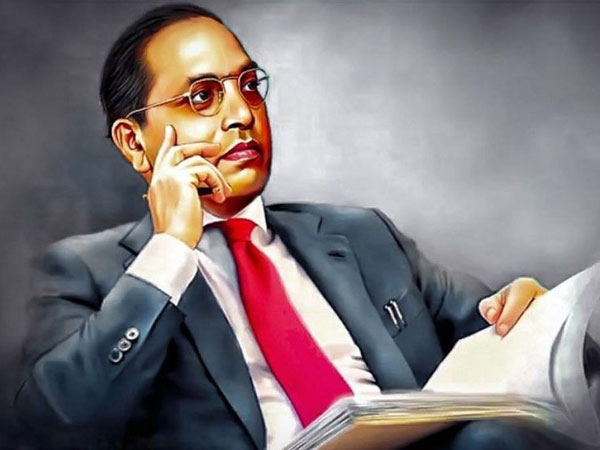
The announcement that the intersection of 61st Street and Broadway in Queens, New York, has been officially designated as Dr. Babasaheb Ambedkar Way filled me with an overwhelming sense of joy and immense pride. Despite being born into a marginalized community in colonial India and facing discrimination and social exclusion throughout his life, Dr. Ambedkar rose to become an advocate for the rights of the oppressed, particularly those categorized as belonging to the Scheduled Caste, who are India’s most socio-economically disadvantaged people. His relentless struggle against the caste system and his role in drafting the Indian Constitution have cemented his legacy as the architect of social justice in India.
Babasaheb arrived in New York in July of 1913 to join the Political Science Department of Columbia University as a Post Graduate Student. He had passed the B.A. Examination in Economics and Politics from Bombay University, after which he was awarded a scholarship of 11.50 British pounds a month, for three years, by Maharaja Sayajirao Gaekwad of Baroda, through the efforts of Babasaheb’s teacher Krishnaji Arjun Keluskar. Using these funds, he spent three years in the United States. Having a road named after him in the country, which had a paramount role in framing his worldview, is an appropriate tribute to him. Similarly, every American activist who aspires to achieve equal rights and opportunities should study Dr. Babasaheb Ambedkar’s balanced, nuanced, and patriotic approach to achieving social justice.
This article is my attempt to explore the applicability of Ambedkar’s method to achieve social justice in present-day America.
Education as the Foundation for Empowerment
Ambedkar recognized the significance of education in dismantling social inequalities. Ambedkar’s approach emphasizes the need to provide equal access to quality education, irrespective of socioeconomic background or race. In America, efforts should be made to bridge the education gap, enhance educational infrastructure in underprivileged areas, and ensure that all students receive an education that equips them with the skills necessary to succeed. In addition to legislation, a grassroots person-to-person volunteering effort in underprivileged schools by Americans from outside the deprived areas will have tremendous results. The profound impact on children’s psyche, resulting from the subconscious recognition that someone from a different background is dedicated to investing their time and effort into uplifting their future, is immeasurable.
Affirmative Action and Reservation Policies
Ambedkar strongly advocated affirmative action policies and reservations to address historical injustices marginalized communities face. The recent Supreme Court decision to end race-based preferences for admissions at educational institutes but leave preferences intact for athletes, people related to faculty, alums, and major donors, highlights the constant uphill struggle faced by the underprivileged. Barriers due to implicit and explicit biases are fairly common if consciously observed. In post-affirmative action America, other programs should be formulated and implemented to enable the underprivileged to break free from the cycle of poverty and marginalization.
Legal Reforms and Protection of Rights
Ambedkar played a pivotal role in drafting the Indian Constitution, which enshrines principles of equality, justice, and protection of individual rights. Similarly, the United States can learn from Ambedkar’s vision to strengthen legal frameworks that safeguard the rights of all citizens, particularly marginalized communities. The U.S. can strive towards a more just society by addressing discriminatory practices within the criminal justice system, like the cash bail system and mandatory minimum sentencing. They can ensure equal access to legal representation and reevaluate other policies like stop and search.
Empowering Grassroots Movements
Ambedkar’s struggle for social justice was driven by his belief in the power of grassroots movements. In the current U.S. context, social movements such as Black Lives Matter, LGBTQ+ rights advocacy, and women’s rights campaigns emphasize the interconnectedness of various forms of discrimination, similar to Dr. Ambedkar’s inclusive vision. Involvement in these movements of people from all strata of society, including the privileged class, is vital. This parallels Dr. Ambedkar accepting the help of supporters from the so-called upper castes to organize and sustain his mission. The long-term effect is an achievement of social harmony among all. By slowly eroding the barriers of preconceived perceptions, empowering and amplifying the voices of marginalized groups, encouraging civic participation, and fostering solidarity, the U.S. can progress toward a more inclusive society.
Eradicating Discrimination
Whether discrimination is based on race, ancestry, religion, or sex, it damages the entire nation, including both the oppressed and even the oppressors at some level. Applying Ambedkar’s method involves exposing the deep-rooted biases and airing the festering prejudices perpetuating discrimination in society. By consciously promoting awareness, education, and cultural exchange at a personal family level, the U.S. can work towards eliminating discriminatory practices and fostering harmony among diverse communities. Inviting families of classmates or colleagues from the marginalized community to your home for festivities will go a long way compared to pontificating on social harmony on social media.
Conclusion
Dr. Ambedkar’s method for achieving social justice through education, affirmative action, legal reforms, grassroots empowerment, and eradication of discrimination provides valuable insights for the contemporary United States. By embracing these principles, the U.S. can strive to create a society where opportunities are accessible, marginalized communities are empowered, and equality and justice prevail. Through collective effort, legislation, and a commitment to inclusivity, the United States can continue to evolve toward a more equitable future. Drawing inspiration from Ambedkar’s tireless fight for social justice in India, we Americans can continue to be motivated to persistently pursue the noble goal of equality and justice for all.
President Joe Biden and First Lady Jill Biden will host Prime Minister Narendra Modi of the Republic of India for an Official State Visit to the United States, which will include a state dinner, on June 22, 2023. The upcoming visit will affirm the deep and close partnership between the United States and India and the warm bonds of family and friendship that link Americans and Indians together.
The friendship between India and USA is a critical matter not just for World Peace but for all Indian Americans. For many of us Indian Americans, India is our ‘janma bhumi’, the land of our birth and upbringing. while America is our ‘karma bhumi’, the land which allowed us to enhance and grow our abilities to attend physical and financial success. Both are very dear to us, one giving rise to us and the other allowing us to rise.
When it comes to the relationship between India and the United States, the bond forged between these two nations goes beyond mere diplomatic ties. Rooted in shared values, democratic principles, and mutual respect, the friendship between India and the USA has grown steadily over the years, evolving into a strategic partnership that benefits both nations and influences global affairs. Long before any Swamiji from India came to the USA, one of America’s most influential and original thinkers, Ralph Waldo Emerson was subtly inserting the extracts of Hindu philosophy gems like the Vedas, Upanishads, Mahabharata, and Ramayana. into the tapestry of what became the quintessential American thought. Ghadar (mutiny) party which left an indelible mark on India’s freedom movement was born in San Francisco. It was partly guided by revolutionary ideals that permeated American institutions such as Berkeley, which was attended by many of the Indians who were a part of that organization. Leaders like Mahatma Gandhi and Martin Luther King Jr. shared ideologies of peace, equality, and justice. The admiration for each other’s struggles against colonialism and racial discrimination laid the groundwork for a lasting bond.
In recent decades, cultural connections have further strengthened friendships. The Indian diaspora in the USA, comprising millions of individuals, has made significant contributions to various fields, fostering a deep appreciation for Indian culture, traditions, and values.
Economic Collaboration and Trade :
India and the USA have witnessed remarkable growth in economic collaboration and trade. Bilateral trade between the two nations has surged, creating jobs and boosting economic growth. The USA is the largest trading partner of India for merchandise trade, with bilateral merchandise trade of US$ 67.41 billion, accounting for 11.98% of India’s total merchandise trade. As per U.S. Census data, India-US merchandise trade in the calendar year 2021 (Jan-December) reached around $113 billion. The US is India’s 4th largest crude oil and 2nd largest LNG supplier. The establishment of the U.S.-India Strategic and Commercial Dialogue in 2015 and the signing of the U.S.-India Bilateral Investment Treaty further demonstrate the commitment to expanding economic ties and promoting mutual prosperity.
Strategic Partnership:
India and the USA share a robust strategic partnership built on common security concerns and shared democratic values. Both nations have cooperated closely on counterterrorism, defense, and intelligence sharing. Regular high-level visits, joint military exercises, and defense agreements have further deepened defense ties. The Indo-U.S. civilian nuclear agreement, signed in 2008, marked a significant milestone in the strategic relationship, fostering collaboration in the field of nuclear energy and strengthening non-proliferation efforts. The Joint Working Groups on Counterterrorism and Designation Dialogue were held in Washington D.C. on October 2021. Both sides are also working together on issues related to designation in the UN.
Collaboration in Science, Technology, and Innovation:
India and the USA have leveraged their scientific and technological prowess to collaborate on various research and innovation initiatives. Partnerships between Indian and American universities, scientific institutions, and industries have led to advancements in sectors such as space exploration, information technology, healthcare, and renewable energy. Joint initiatives, such as the Indo-U.S. Science and Technology Forum, have facilitated exchange programs, research collaborations, and knowledge sharing, fostering a spirit of innovation and progress. ISRO and NASA are working together to realize a joint microwave remote-sensing satellite for Earth observation. S-band SAR from ISRO was delivered to NASA Jet Propulsion Laboratory (JPL) in May 2021 and the integration activities with NASA’s L-band radar are going on.
Health Cooperation:
There is longstanding collaboration in the health sector. Scientists from both countries have been working together to develop new therapeutics and diagnostics. The collaboration under Vaccine Action Program (VAP) resulted in the development of the ROTAVAC® vaccine against rotavirus which causes severe diarrhea in children. The vaccine developed by an Indian company at an affordable cost was introduced in the Expanded Program on Immunization. There are more than 200 active collaborations between the U.S. National Institutes of Health network of labs and leading research agencies in India, to deliver affordable healthcare solutions. India supplies about 40% of generic formulations marketed in the USA. Indian pharma companies have manufacturing locations in about 14 locations in the USA.
People-to-People Exchanges and Cultural Diplomacy:
About 4.2 million Indian American/Indian origin people reside in the US. People-to-people exchanges play a vital role in nurturing the friendship between India and the USA. Educational exchanges, cultural events, and tourism have facilitated a deeper understanding of each other’s societies, traditions, and values. The Fulbright Program, which promotes academic exchange, events like the annual India Day Parade in New York City, and programs like Sewa Diwali which donated 1,415,766 lbs of nonperishable food to underserved communities in the USA showcase the rich tapestry of Indian values, culture, and its assimilation into American society.
The friendship between the people of India and the USA stands as a bulwark against the enemies of individual freedoms, human rights, rule of law, and is a testament to the power of shared values, collaboration, and mutual respect. While there may be occasional disagreements, the commonalities in their founding principles and guiding philosophies create a strong bond that transcends temporary geopolitical situations. The official state visit next month will further cement this unassailable bond.
Since ancient times stories of the prosperity and civilizational advancement in the Indian subcontinent have attracted foreign invaders for centuries. Many of those invaders were repulsed or subsequently driven out. Some willingly assimilated into the intricately interwoven fabric of the Bharatiya (Indian) culture and added to it. Unfortunately, the pattern of destructive invasions started in 711 AD with Muhammed bin Qasim, an Umayyad general who invaded Sindh. After this, a long list of invasions occurred, which left severe destruction of the culture, places of learning, and worship in their path. No ancient Hindu temple is intact in the entire northern half of India. This was accompanied by the mostly forced conversion of the native Hindu population to Islam. The long-term effect of this multigenerational trauma on the public psyche was very severe. Towards the end of British rule, people of the subcontinent were free to decide for the future. But instead of focusing on individual freedom, socioeconomic upliftment, and regional security, the Muslims demanded the partition of the subcontinent with the resultant genocide during the forced migration and the continued Kashmir violence.
The effect still resonates in the relationship between the Hindus and the Muslims who chose to remain in India (Muslims increased from 9.4% in 1951 to 14,2% in 1991- source www.factly. in). The effect is now evident even in America, with recent appeals by certain communities to avoid patronizing businesses and brands owned by people of the other community. (https://truthout.org/articles/activists-plan-boycott-of-us-companies-backing-indias-anti-muslim-policies/
12/n Just last weekend Mr. Iqbal, a #Hinduphobe member of the Islamist group – IAMC, which promotes Pieter Friedrich, was ranting against "Patels" and asking Muslims not to "shop at Patel Brothers". Eerily reminiscent of Nazi Germany's boycott of Jewish owned business in 1930s. pic.twitter.com/WRl9dfnlhr
During the pre-independence period, Mahatma Gandhiji attempted to build bridges between the Hindu-Muslim communities through actions such as supporting the Khilafat movement to modifying the famous Hindu bhajan Raghupati Raghava Raja Ram (adding the phrase Ishwar Allah Tero Naam to the lyrics). Many other well-known and not so known attempts were made. However, these failed miserably with the resultant separation of the Islamic countries of Pakistan and Bangladesh and a secular India. Moreover, the politics of division initially begun by the Britishers and continued by the subsequent Indian political parties resulted in worsening mutual suspicion and fracture of trust between the two communities, who together are inheritors of the rich cultural heritage of the entire subcontinent.
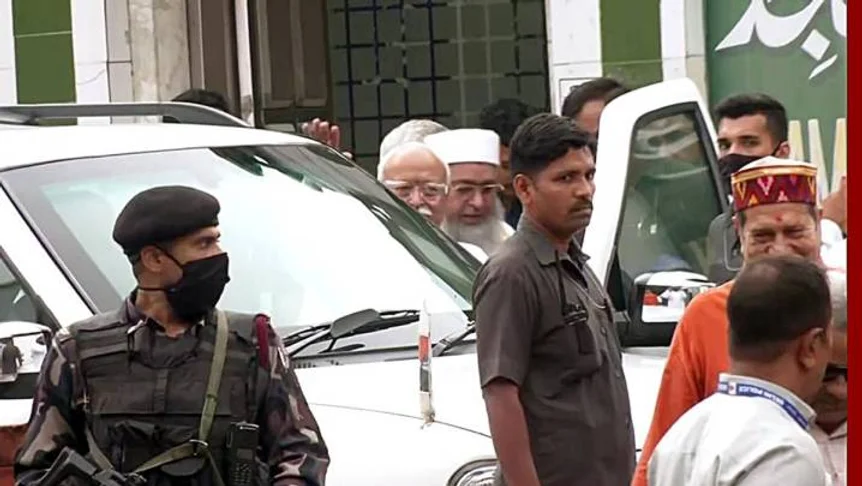
With the clear understanding that reconciliation and a united way forward are essential for the continued development of the entire population of India, recently, a group of five prominent Indian Muslims initiated a meeting and subsequently met with Rashtriya Swayamsevak Sangh (RSS) chief Mohanji Bhagwat on Aug 22, 2022, at Keshav Kunj RSS office in New Delhi. What struck out about this meeting was that a news conference or a press release did not follow it. Somehow the information about this meeting reached the media, and the resultant curiosity resulted in a series of interviews of these persons individually and in groups by the members of the press. The rest of this article is based on multiple video interviews and news articles about this meeting. All the statements attributed to the RSS Sar Sanghachalak (Chief) are quoted by the Muslim participants (with minimal paraphrasing by this author. Sources are listed below). The Muslim luminary participants of this discussion (henceforth addressed as visitors- since they visited the RSS office) were Najeeb Jung, Former Lieutenant Governor of Delhi, SY Quraishi, Former Chief Election Commissioner of India, Shahid Siddiqui, Editor of Nayi Duniya, and former Member of Parliament-Rajya Sabha, Lt. Gen Zameer Uddin Shah Ex Vice Chief of Army and the hotelier Saeed Shervani.
The visitors reiterated that ‘we are not politicians with large followings nor have received a mandate from any organization to represent the Indian Muslims, but this meeting was a humble effort from some common citizens to attempt reconciliation and rapprochement between two communities because we believe that is the only way forward for India to go ahead, which is the desire of any nation loving Indian.’ Furthermore, they believed that since the RSS is the largest organization of Hindus in the world, it was a good starting point to talk to the chief of the RSS and put out their concerns, hear his concerns, and take the matter forward on how together they can try to improve relations between communities and take steps to ensure there is no polarization between Hindus and Muslims.
The visitors hoped that if they were successful in opening a dialogue, they could convert this small initiative into a larger movement in which the people who are now skeptical would join them.
One interviewer Karan Thapar blatantly misinterpreted the Mohanji Bhagwat quote, “Every Indian is a Hindu,” by saying that this means that it does not include all the Indian minorities largest of which are Muslims. Dr. Jung promptly corrected him, saying, “It includes Muslims. Per Bhagwatji, Muslims are part of the larger family. Bhagwat redefined the word Hindu to mean Bharatiya (meaning ‘of Bharat,’ the ancient name of the Indian subcontinent). I am repeating his words that India has to go forward, and that can happen when there is reconciliation and when all communities go hand in hand. That is the clear message he (Mohan Bhagwat) gave us. Not just a message, those were his words”.
He further elaborated, “According to Bhagwat, we accept Muslims in the larger fold of Vedic Dharma, you can practice what you want, how u want”.
Part of this discussion was the open airing of the top grievances in the minds of both communities.
Hindu issues (per Mohanji Bhagwat):
• Hindus feel aggrieved when a large number of Muslims call them Kaffirs (non-believers). The Muslims are not accepting of Hindus. Dr. Jung said that he replied to Bhagwatji, “the Muslims and Christians have to accept that there are many paths that lead to God. Quran is misinterpreted a lot. Quran says your path is yours and mine is mine. Most Muslims and even clerics accept that calling Hindus Kaffirs is wrong. Koran says there is no compulsion in religion”.
• Bhagwat is asking Muslims to voluntarily stop eating beef because it is very sensitive to Hindus. In response to this, Dr. Jung felt that 90% of Muslims will agree to this request since if you want to live in peace, keeping from hurting the Hindu sentiment is essential.
Muslim issues (per visitors):
• Muslims don’t like being called ‘Jihadis’, ‘Pakistani’, or ‘Babur ki Aulad’ (progeny of Babur). Muslims are accused of love jihad. Indian Muslims don’t want to keep needing to prove their patriotism.
• Muslims are believed to be increasing their population to overcome Hindus in numbers by polygamy and not participating in family planning endeavors.
• Muslims feel insecure and are being made to pay a price for mistakes of the past.
One interviewer repeatedly asked the visitors, “Is this a man (Mohanji Bhagwat) whose sincerity you trust”.
“Yes”, was the visitor’s unequivocal reply. “Within one month after our meeting, he visited a mosque and a madrassa, which means he kept up the spirit of our meeting”. Since July, Mohanji Bhagwat also met with different Muslim groups one in Ghaziabad and one in Mumbai.
The visitors quoted Mohan Bhagwat multiple times.
• “I will make my effort, and it will take time to percolate”.
• “At the highest level of RSS, we have discussed this issue”.
• “Twenty percent is not a minority. They (Muslims) have to be part of the growth process”.
• “Hindutva does not exclude Muslims”.
• “India cannot exist without Muslims”.
• “We cannot conceive of India progressing without its Muslims”.
• “Everything will be done according to the constitution of India”.
They further added that Mohanji Bhagwat will appoint four RSS leaders to continue the talks. The visitors sincerely believed that if any hard-headed Hindu organization makes statements like calling for the genocide of Muslims, he (Bhagwat) will oppose that.
One of the interviewers asked about the nay-sayers who expressed that meetings such as these give legitimacy to RSS, and whether RSS is using this meeting for its PR purpose only. The visitors replied, “RSS has the support of at least half the Hindu population. Not only party workers in the ruling BJP but many in opposition parties also support RSS. An RSS volunteer is the Prime Minister of India and so are Chief Ministers of many states. Why do you think they need our credibility? Even if they are doing this for their image, it is good for everybody”. To the detractor who called them elitists, the visitors replied, “We are not fools. We live in public”.
“Open dialogue is the only way forward. No other country cares about Muslims. In Burma, in China, Muslim genocide is rampant. Pakistani is wagging its tail in front of China. No Arab nation is opposing China about its treatment of Muslims”.
The visitors mentioned that of the telephone calls they received, 90 percent of Muslims and non-Muslims supported this initiative. “There is overwhelming support in India for the idea of reconciliation. This is the time that the idea must come to fruition. We must engage, not only with RSS but also with the Jamat-e-Islami, the ulema of Deoband school”.
Per the visitors, planning for subsequent meetings is being made in which other issues like the issue of CAA and NRC will be brought up.
Watching the interviews filled me with hope. Am I being too naïve? The history of more than a thousand years suggests that the difficulties are seemingly unsurmountable. But a thousand years is a small period of time for inhabitants of Bharatvarsha (Indian subcontinent). Our ancient scripture Isha Upanishad says, “A wise man beholds all beings in the self and the self in all beings; therefore, he does not hate anyone”. Hopefully, all of us internalize this eternal wisdom, and not let differences in ways of worship alienate us from our true divine nature.